Veneers restore the outside surface of teeth and change the appearance of your smile! Whether they are right for you depends on many factors. We can get amazing results with veneers, but often a combination of orthodontic treatment and tooth whitening is the best path!
What a Veneer Actually Does
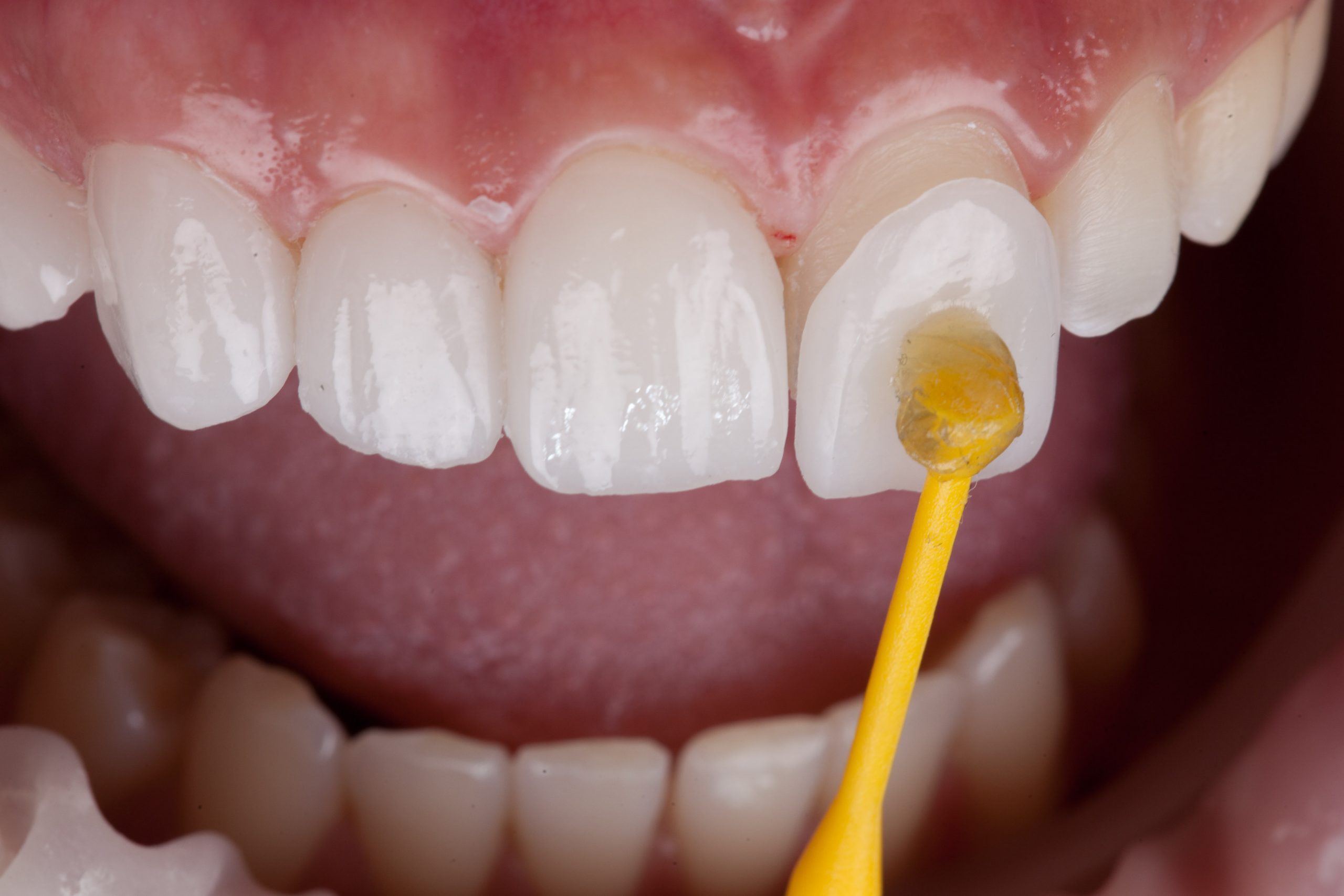
A veneer replaces the surface of the tooth visible in the smile, which can alter the shape, texture, proportions, and color of the teeth in the smile.
Reasons Patients Choose Veneers
- Gaps betweeen teeth
- Crooked or crowded teeth
- Stained teeth or teeth that are different colors
- Short or worn teeth, inadequate display of teeth when smiling
- Wanting a beautiful, ideal smile without orthodontic treatment
Porcelain vs Composite Veneers
- Porcelain Veneers – porcelain veneers are beautiful, durable, and can last for many years without staining or breakage if properly cared for
- Composite Veneers – composite veneers are possible, but they can be problematic, as they will stain over time and need adjustment or replacement regularly, even when properly cared for
What to Expect During the Veneer Process
Before placing dental veneers, we will carefully plan your case. After all disease in the mouth has been treated, we start with a laboratory wax-up. This is a physical representation of what we expect the final smile to look like. After the wax-up is created and approved, we can schedule your appoinment to prepare your teeth.
At your prep appointment, some tooth structure will be removed to make room for the porcelain. After that is finished, temporaries will be delivered that mimic your final smile. The next day, you will return for photos so that we can make sure everything looks good in the mouth and is lined up perfectly. Following our approval and your approval, we can order the final porcelain from the lab.
On the day of cementation, your finals will be approved, then placed, and you can enjoy your new smile!
Making Your Veneers Last
Take care of veneers like you would take care of natural teeth – brush and floss regularly! Avoid excessive consumption of sugary foods and beverages. A nightguard will often be recommended to protect the veneers from nighttime clenching and grinding.
FAQ
Q: Veneers vs crowns – which are better?
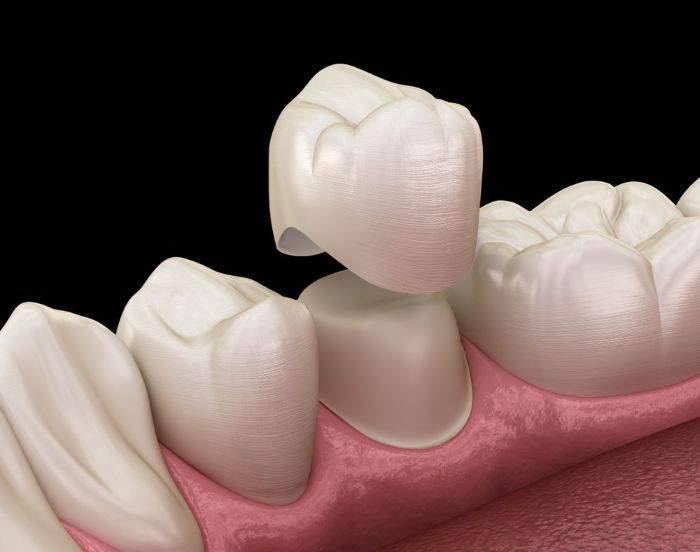
A: That’s a good question! It depends – sometimes teeth can be restored with veneers with minimal reduction of the tooth, while other times a ¾ crown or full contour crown is necessary. Factors affecting this decision include enamel available for bonding, reduction necessary on front and back tooth surfaces to accommodate any positional changes, and the presence of decay or decalcification on the teeth in question. Discuss this question with your doctor.
Q: How long do veneers last?
A: If well taken care of, they can last for decades! On the other hand, composite veneers rarely last more than 5 years without needing adjustment or replacement. For this reason, we rarely offer composite veneers as a service in our office.
Q: How many veneers do you need?
A: It depends on how many teeth you show when you smile, which can be affected by many factors. Generally speaking, restoring 2 or 6 teeth is not recommended, while 4, 8, and 10 are good numbers. Placing crowns or veneers on only 2 teeth or from canine to canine can sometimes make it difficult to blend the veneers in with the rest of the smile.
Q: Can veneers be whitened?
A: Generally speaking, no – do not expect to be able to whiten your teeth after veneers are placed.
Q: Do veneers hurt?
A: No, although some discomfort and soreness is possible during the process. Sometimes there can be some discomfort while getting numb at your prep appointment. There can also be discomfort while wearing the temporaries. After your final veneers or crowns are placed, they should operate as natural teeth would, without pain or discomfort.