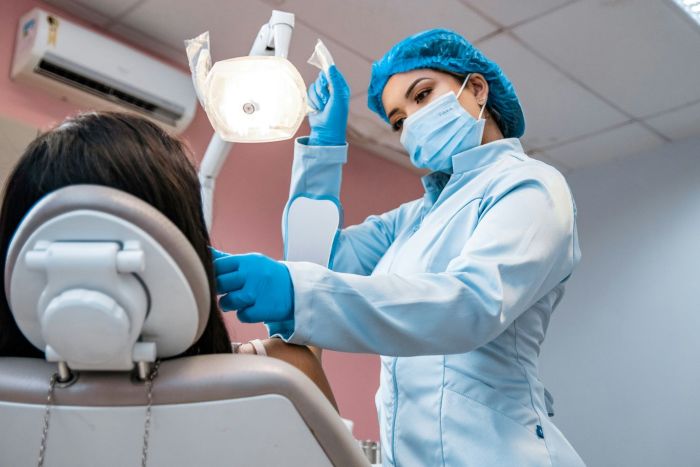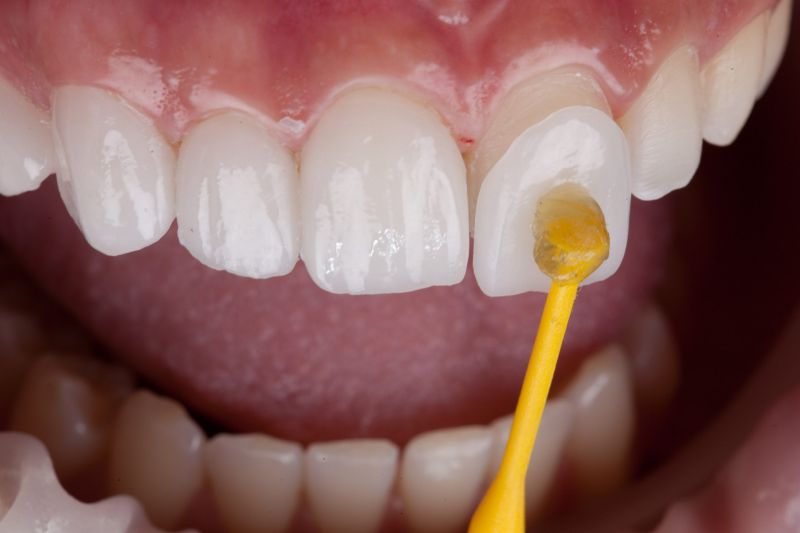
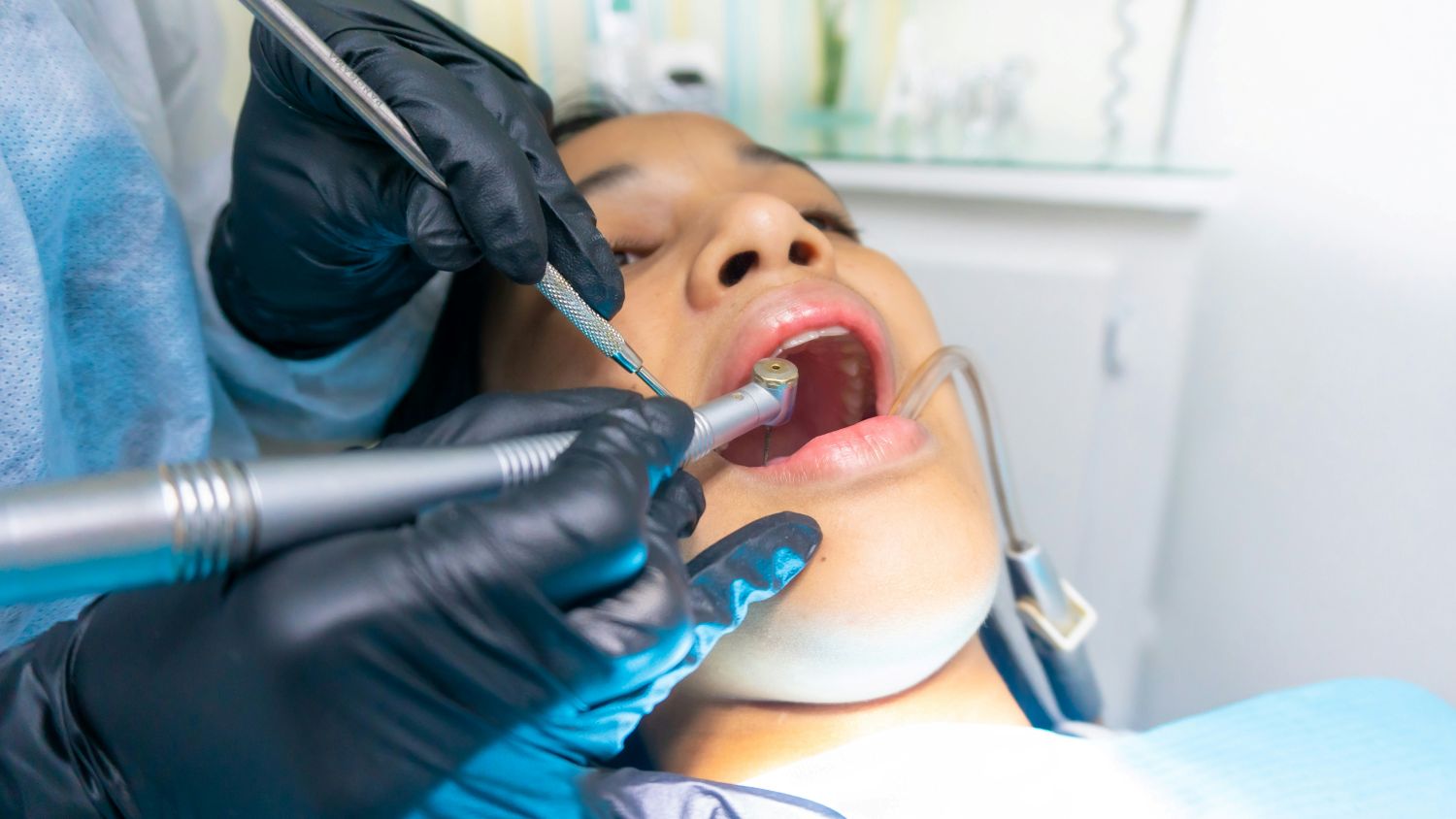
A dental emergency is any dental situation causing severe pain or distress. When a dental emergency occurs, a patient wants to get in to see the dentist as soon as possible!
What Actually Qualifies as a Dental Emergency
Any situation that could potentially cause a threat to the patient’s life or a threat to the patient’s tooth is a real dental emergency. Dental emergency care is needed anytime a patient has significant facial swelling. If you are having trouble breathing or having trouble swallowing due to swelling making the tissue around your throat bigger, go straight to the emergency room or call 911. If your swelling has not yet progressed to that point, give us a call! A dental abscess with swelling can almost always be treated without a trip to the emergency room!
Emergency dental care is also needed if you have suffered a traumatic injury that has caused a tooth to come out of the mouth or change its position in the mouth. Avulsion of a tooth requires immediate attention to avoid tooth loss.
Other situations, while not being a threat to life or tooth, are also reasonable times to go see an emergency dentist. The biggest one is experiencing severe tooth pain!
Common Dental Emergencies
- Severe tooth pain
- Significant facial swelling
- A cracked or broken tooth with pain
- A knocked out tooth or partially dislodged tooth
- Pus that suggests infection or abscess
What to Do Before You Reach the Office
If a dental trauma has caused a tooth to come out of your mouth or be knocked out of place, the faster you come in, the better! If the tooth has debris on it where it fell onto the dirt, it can be gently and quickly rinsed. A tooth that came out can be put back into its socket, and a tooth that has been knocked out of place can be moved back into place. This may or may not be possible.
If the tooth has come completely out of the mouth, and it cannot be easily placed back into the socket, the best place to keep it on your way to the office is in your mouth. You can also put it in milk or saline while you are on your way to the office. Keeping the tooth in the mouth should never be done when it could be a choking hazard, and primary teeth (baby teeth) do not need to be preserved, as they will not be reimplanted in the mouth.
If you are suffering from a severe toothache as opposed to an avulsed tooth, the best thing while you wait for your appointment is to take acetaminophen and ibuprofen.
If you have a sharp spot on a broken tooth that is cutting your cheek or tongue, find orthodontic wax or dental wax at the drug store. Put the wax onto the sharp spot to provide temporary relief until you can come in.
When It Can Probably Wait
If a filling has broken but you have no pain or discomfort, it can probably wait, but we can often fit you in for a limited exam, especially if it’s a front tooth and it’s affecting your smile. If you have a bridge that is loose or broken with no major toothache pain, we will likely schedule you for a complete exam, because going over options for failed bridgework will almost always require a comprehensive exam.
Getting Seen Quickly When It Matters
Our office aims to have good availability and see patients with dental emergencies on the same day. If you are experiencing pain or distress, give us a call and come in!
FAQ
Q: What’s the best thing to do for a toothache?
A: The best thing to do for a toothache is to get definitive treatment, which for a true toothache will be an extraction or a root canal. An exam will be a necessary first step, as other problems can present as a toothache from time to time. If you are having a toothache on a weekend or at night, and you can’t come in immediately, the best thing to do is take acetaminophen and ibuprofen. Take 800mg ibuprofen and 1000mg acetaminophen, together, every 6 hours, as long as it is safe for you to take each of those medicines. This high dosage is not recommended for long term use, but it is safe for a few days and is very effective!
Q: I fell and my tooth came out! What should I do?
A: If there is debris on the tooth, gently wash it off, then put the tooth in your mouth and come in immediately! You can also put the tooth in milk or saline, but your mouth is the best place to keep it.
Q: My tooth is broken but I’m not in pain. Can I still come in for an emergency appointment?
A: Almost always, yes! One of our missions as a practice is to have availability. If we have any space at all, we will get you in! Please understand that patients in pain may be prioritized, especially with respect to same-day treatment.