
An abscess is a site of inflammation and pus. A dental abscess can be one of a few types. There are periapical abscesses, gingival abscesses, periodontal abscesses, and pericoronal abscesses. The treatment recommended for an abscess will depend on the type of abscess, the tooth position, overall dental health, and patient needs.
What Causes a Tooth Abscess
An abscess is essentially a tooth infection or a gum infection. It is a collection of bacteria that has been allowed to thrive in the tooth or the gum to the point that there is pus and inflammation. For a periapical abscess, the infection is based on bacteria infecting the nerve of the tooth. This is what most patients think of when they refer to an abscessed tooth. For gingival, periodontal, and pericoronal abscesses, the infection is based on bacteria proliferating beneath the gums.
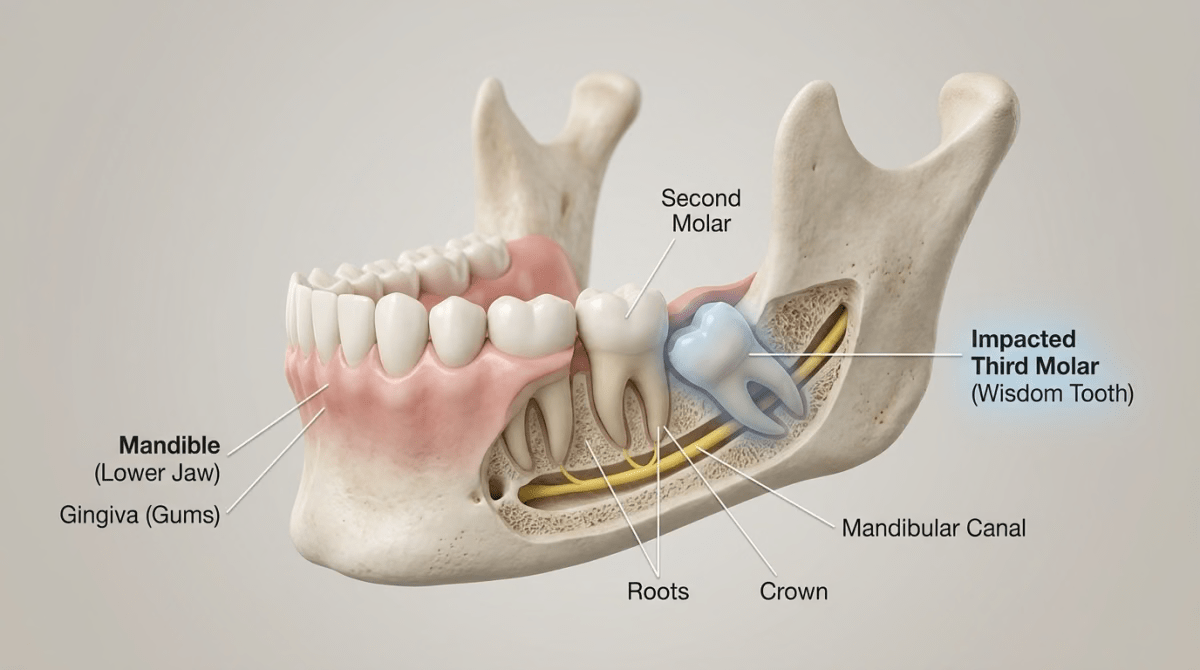
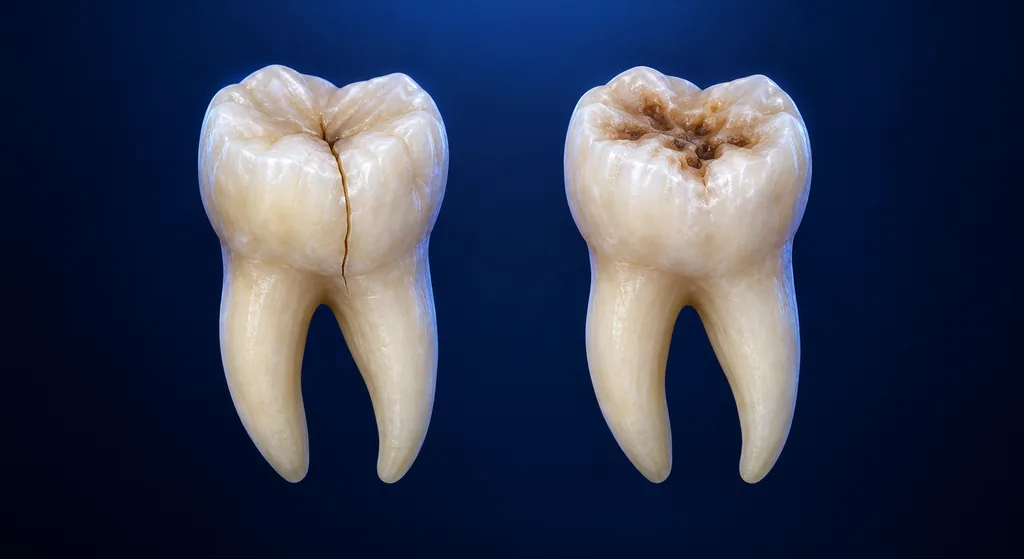
The situations that can lead to an abscess include untreated decay, a cracked tooth, untreated periodontal disease, a foreign object stuck under the gums, and uncleansible, partially-impacted wisdom teeth.
Signs of a Tooth Abscess
- Severe tooth pain
- Facial swelling
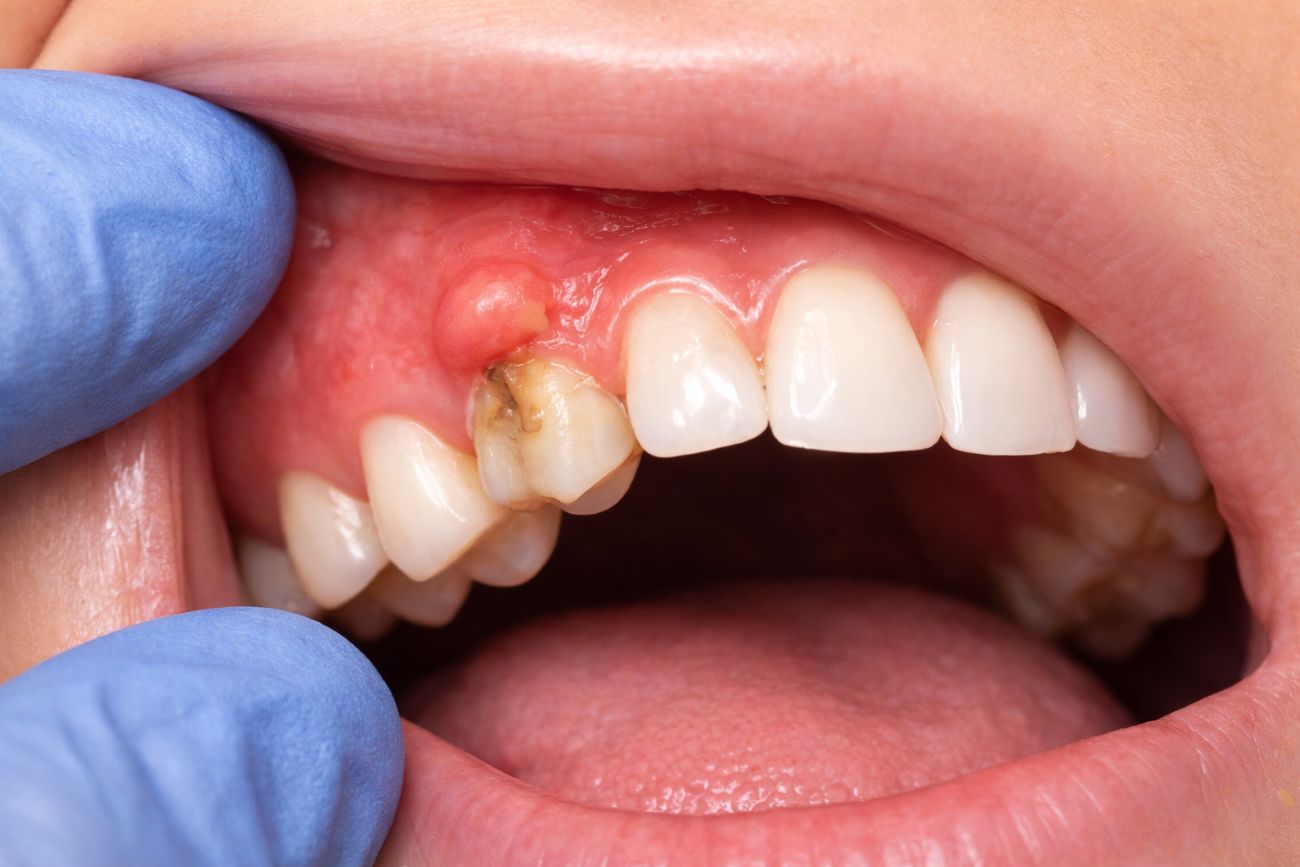
- A bubble-like growth next to or below a tooth
- The presence or draining of pus
- A bad taste or foul odor
Why You Shouldn't Wait It Out
An abscessed tooth will not get better without definitive treatment. If an abscess is not treated, it will get worse and come back until it is treated. As it persists and symptoms return, it can grow and lead to infection of other teeth and to bone loss. Abscessed tooth swelling can lead to facial swelling, which can lead to serious problems, including, in rare cases, loss of life.
How a Tooth Abscess Is Treated
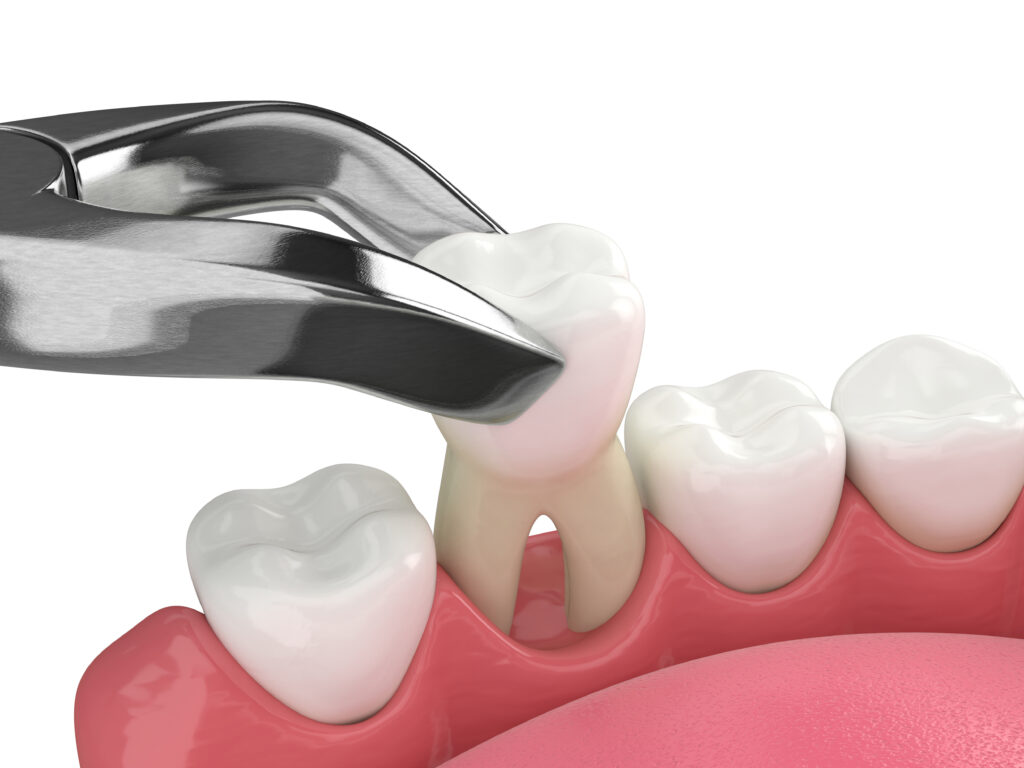
Tooth abscess pain is relieved via definitive treatment. Abscessed tooth treatment depends upon the type of abscess and the condition of the tooth. For periapical abscesses, the treatment will typically be either an extraction or a root canal. For gingival abscesses and periodontal abscesses, the treatment will usually involve cleaning the teeth, but it may also involve tooth removal, depending on the severity of the condition. Pericoronal abscesses will usually result in extraction, cleaning, or gingivoplasty.
The only way to know for sure what treatment is appropriate is to see your dentist for an exam.
Preventing Future Infections
The most important thing to do to prevent oral infections is to keep regular appointments with a dentist. Any issues can be discovered and treated early so that they won’t develop into an infection. At home, avoid excessive consumption of sugar and make sure to brush and floss your teeth!
FAQ
Q: Can a tooth abscess be treated with antibiotics?
A: It can be treated, but it cannot be cured. If it is a periapical abscess, it will return, and it can damage your tissues and/or threaten your health in the meantime. If it is another type of abscess, antibiotics will do little if anything to help the condition. Planning and carrying out definitive treatment for any oral abscess is essential to good oral health.
Q: How can I get rid of a tooth abscess without going to the dentist?
A: I like your attitude! Many things can be done with hard work and determination! This is not one of them. Go see a dentist.
Q: How to drain a tooth abscess at home?
A: Some ideas, although not impossible to achieve, are very bad ideas. This is one of the them. Go see a dentist!
Q: How long until a tooth infection kills you?
A: It’s impossible to say. The primary risk is swelling due to infection causing the airway to be blocked, cutting off breathing and causing death. An abscess, especially of a lower molar, can develop into a life-threatening situation fairly quickly. It is a rare occurrence, but it does happen. As soon as you see signs of an abscess, go see a dentist as soon as possible.
Q: What does an abscessed tooth look like?
A: A bubble-like pocket of pus will appear in the gums near the end of the tooth’s root for many. Other types of abscesses will appear as a bubble close to where the tooth meets the gum tissue.