
If you have a cracked tooth, you might need to get it fixed, get it removed, or do nothing at all! What to do depends on the type of crack and the symptoms you are having. The best way to determine the appropriate course of action is to see your dentist for an exam!
What Causes a Tooth to Crack
A tooth can crack from a single event of biting down on a hard object, but it can also crack slowly over time due to the heavy forces of chewing. The forces of clenching and grinding teeth at night can also contribute. Sometimes a chipped tooth, a cracked tooth, or a broken tooth has been weakened by decay, while other times it has simply fractured from the forces it has been under over time. We can also damage a tooth with trauma from a fall or other accident.
Signs Your Tooth May Be Cracked
- Sharp pain when chewing, especially on hard foods
- Pain that comes and goes unpredictably
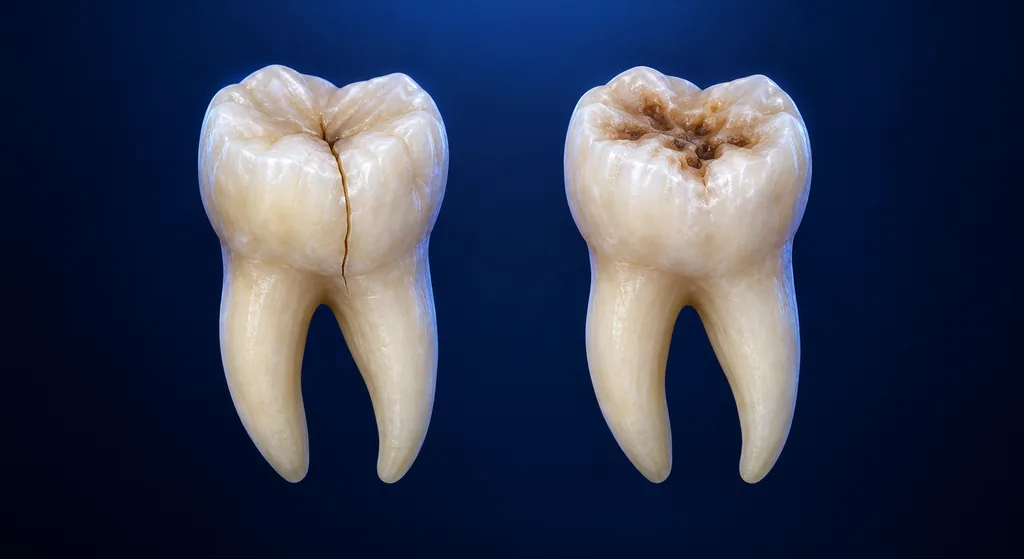
- A visible crack on the tooth
- Sensitivity to hot or cold food and drinks
Why Some Cracks Are More Serious Than Others
Some cracks – craze lines – do not threaten a tooth at all. When cracked tooth symptoms appear, a crack threatens the survival of the tooth. The presence of a vertical root fracture – a crack extending to the end of the root or one of the roots of a tooth – lets us know that a tooth cannot be saved and must be removed. Essentially, the further a crack extends into the tooth axially (deeply towards the center) and apically (deeply towards the root tip), the more serious the damage to the tooth.
How a Cracked Tooth Is Treated
Cracked tooth treatment depends on the type of crack. A tooth that is completely cracked in half may not be restorable. For teeth that can be fixed, cracked tooth repair usually involves a crown or a root canal and a crown.
Protecting Your Teeth From Future Cracks
You can prevent cracked tooth pain in a few ways. You can avoid habits that have you regularly chewing on something hard such at chewing ice or eating very hard candies. If you clench or grind your teeth, you can get a nightguard to protect your teeth while you sleep and more evenly distribute any forces you may be exerting on your teeth during the night. Keeping regular dentist appointments can also help, as cracks are sometimes visible, and catching one early can often result in less invasive treatment and even saving a tooth that would otherwise have been lost!
FAQ
Q: Can a cracked tooth be fixed?
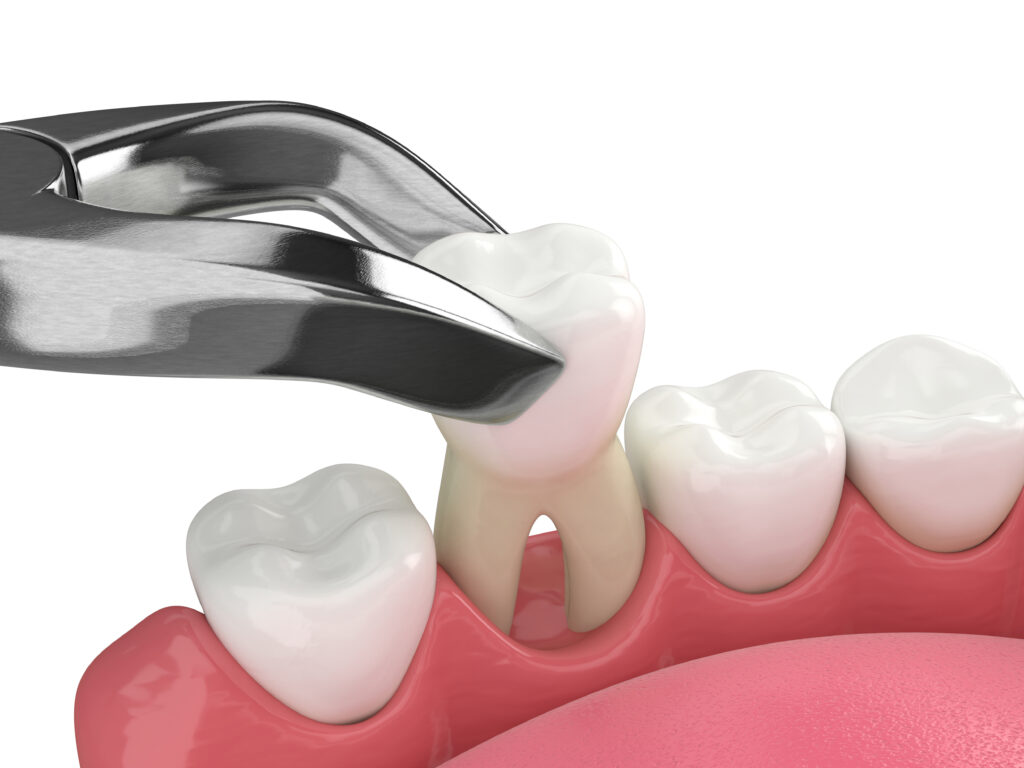
A: Maybe, maybe not, and it’s possible it doesn’t need any treatment at all! If a tooth just has craze lines – visible surface cracks – it may not need treatment. If it’s showing symptoms of cracked tooth syndrome, it will need a crown or a root canal and a crown. If it has a vertical root fracture, it will need to be removed, as it is not restorable.
Q: Does a cracked tooth need a root canal?
A: Sometimes. If the fracture extends into the pulp chamber of the tooth, yes – the tooth will need a root canal. In many other cases, the tooth can be repaired with a crown and no root canal. The earlier the symptoms are addressed, the more likely your chances of fixing the tooth without needing a root canal.
Q: Does a cracked tooth need to be pulled?
A: Sometimes. If the depth of the fracture is below the crest of the bone, or if the crack extends to the root tip or one of the root tips, yes – the tooth needs to be pulled. In most other cases, the tooth will not need to be pulled.